
Firi Weekly: Another Tariff Round

Firi Weekly: Another Tariff Round

  • Trump Reignites Global Tariff Tensions:
    • After the U.S. Supreme Court struck down prior tariffs, Trump imposed a new 10% global tariff—quickly raised to 15%—prompting European Union trade delays and renewed macroeconomic uncertainty that is negative for crypto.
  • BlackRock Nears Staked Ethereum ETF Launch:
    • The world’s largest asset manager, BlackRock, plans to stake 70–95% of Ether in a new Ethereum ETF, offering about 3% annual rewards. The ETF could attract additional inflows from traditional investors upon launch.
  • BNP Paribas Tests Ethereum Fund Tokenization:
    • Major European bank, BNP Paribas, piloted issuing a money market fund on Ethereum, signaling growing bank adoption of blockchain for traditional financial products.
  • U.S. Growth Slows Sharply in the Fourth Quarter of Last Year:
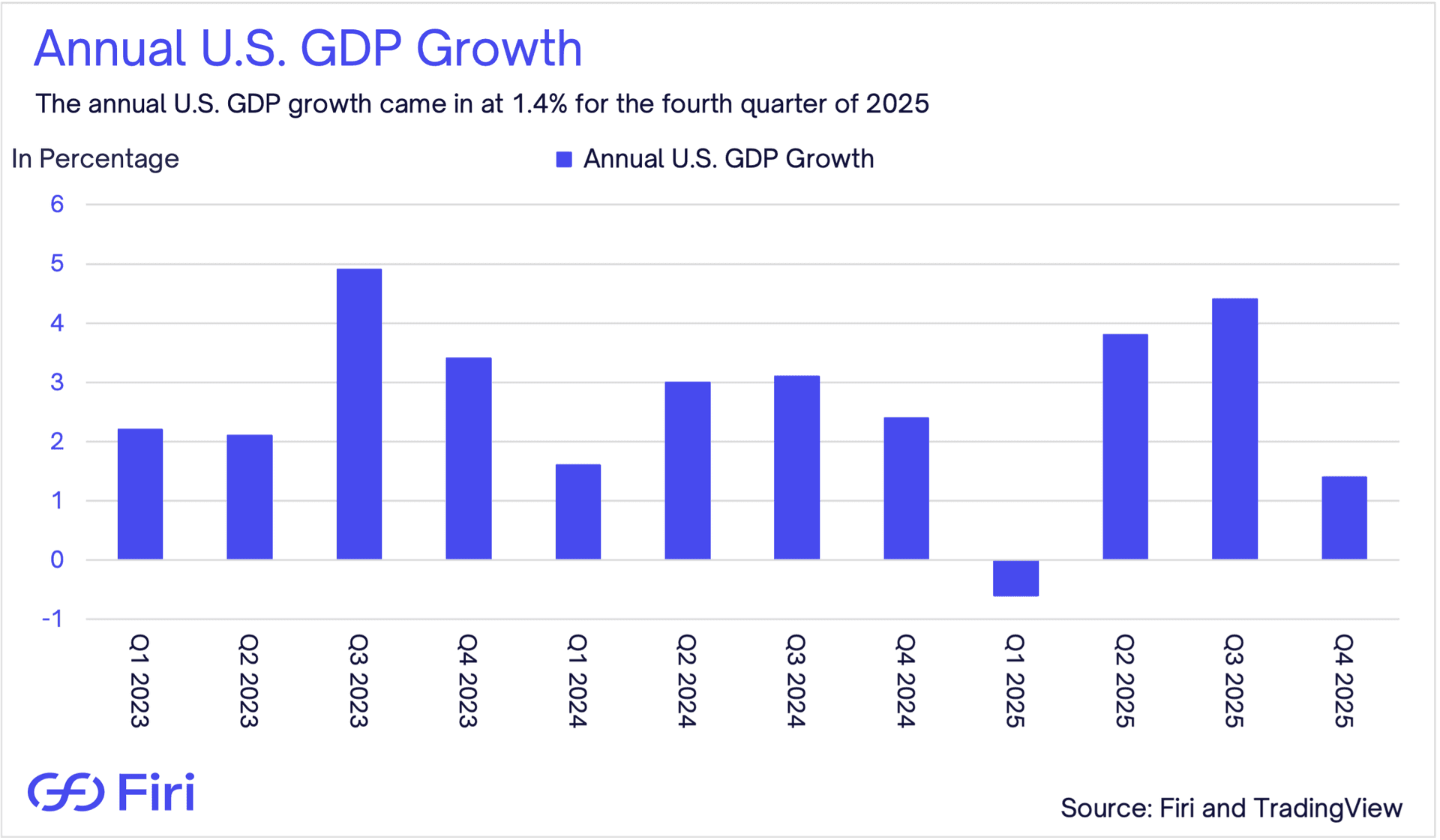
    • U.S. annual GDP growth in the fourth quarter fell to 1.4%, missing the 3% expectation and down from 4.4% in the third quarter, reinforcing market caution toward risk assets, including crypto.
Last Week’s Big Three

Trump Reignites Tariff Uncertainty: On Friday, the U.S. Supreme Court ruled that many of the tariffs imposed by U.S. President Donald Trump was unconstitutional, stating that the authority to levy tariffs rests with Congress. Within hours, Trump announced a new 10% global tariff, effective February 24, and increased it to 15% the following day using alternative legal authority.

On Monday, the European Parliament said it would pause work on approving a previously agreed trade deal with the United States, citing renewed uncertainty. Even though the 15% tariff is lower than the tariffs imposed on most countries prior to the Supreme Court ruling, markets have once again been pulled back into tariff and trade-war concerns. This issue has resurfaced repeatedly since Trump began his second term as president in January 2025.

In general, tariffs tend to weigh on economic growth, and heightened macroeconomic uncertainty typically pressures risk-sensitive assets such as crypto, as it makes investors more risk-averse.

BlackRock Prepares Staked U.S. Ethereum ETF: Last week, BlackRock—the world’s largest asset manager and the issuer of the largest U.S. Bitcoin and Ethereum ETFs—began acquiring Ether ahead of the likely launch of a new Ethereum ETF that will incorporate staking. The firm expects to stake between 70% and 95% of the fund’s Ether holdings. Based on current conditions, this could translate into approximately 3% annual rewards in Ether, in addition to any price appreciation. BlackRock is reportedly seeding the ETF with $100,000 in Ether.

The announcement suggests the staked Ethereum ETF could launch in the United States within the next one to two months. The structure may appeal to even more investors, as it offers staking rewards that are not available through BlackRock’s existing Ethereum ETF.

Major European Bank Launched Tokenization Pilot: BNP Paribas, a major European bank, announced last week that it had piloted the issuance of a tokenized money market fund on Ethereum. Money market funds typically invest in short-term, high-quality debt and are considered relatively low risk.

The pilot was a one-off test designed to assess operational processes. While limited in scope, it adds to the evidence that European banks are gradually increasing their engagement with crypto-related infrastructure and exploring blockchain applications for conventional financial products.

Behind the Charts

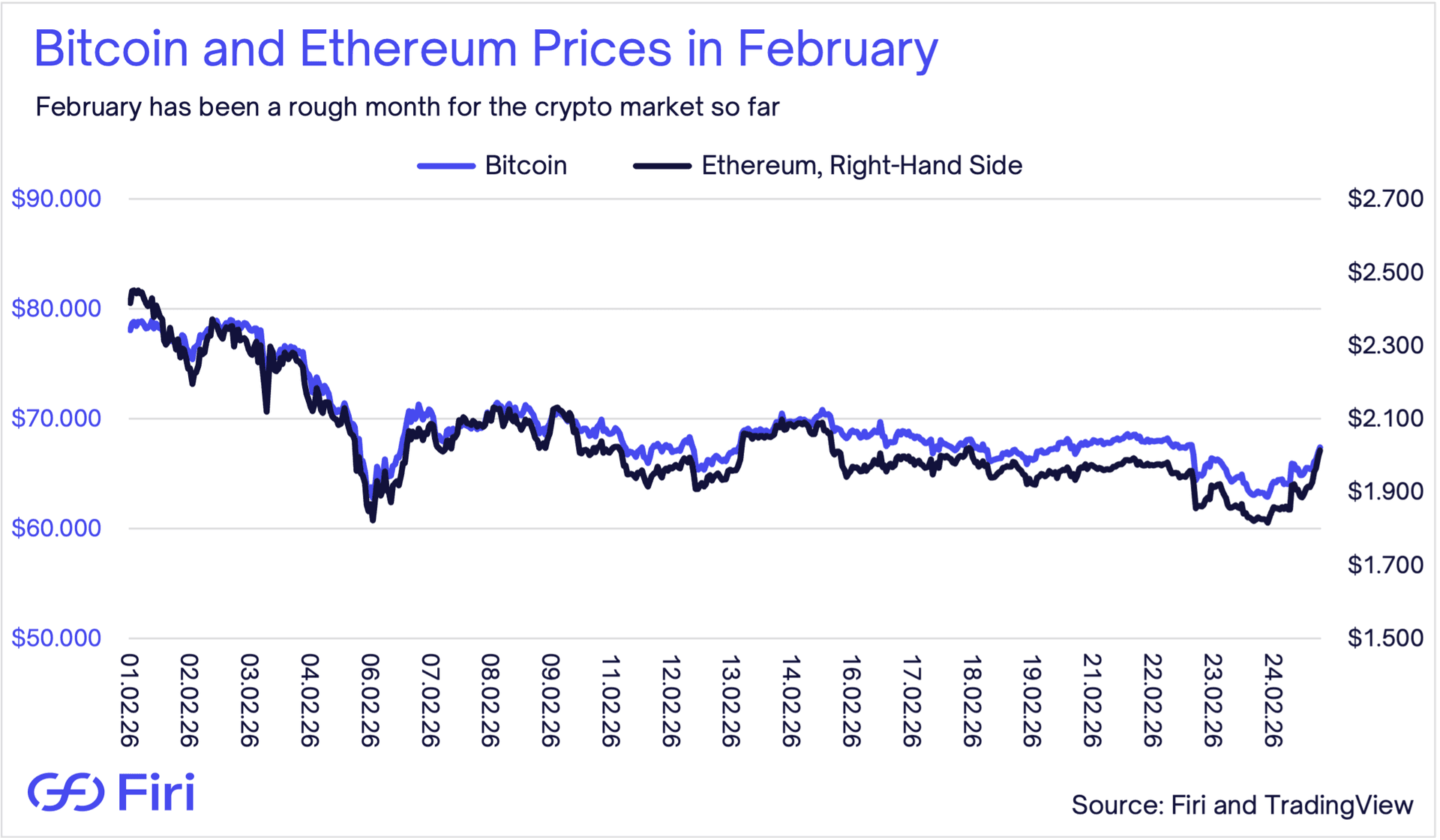
Chart 1: Bitcoin and Ethereum Prices in February

Firi illustration

The crypto market’s immediate reaction to the Supreme Court ruling and subsequent tariff announcement was relatively muted on Friday and Saturday. The more pronounced move came overnight between Sunday and Monday, as Asian markets opened and global futures began trading.

The decline appears to reflect not only renewed tariff uncertainty but also broader unease in equity markets, particularly among companies exposed to artificial intelligence (AI). It appears that investors are increasingly concerned that AI could render certain products and services obsolete and potentially drive much higher unemployment over the coming years. Without structural changes to the economy, this could end badly—and exactly the uncertainty around it is impacting markets.

Chart 2: Annual U.S. GDP Growth

Firi illustration

The U.S. annualized growth rate for the fourth quarter of last year was also released on Friday and came in at 1.4%, significantly below the roughly 3% expected and down from 4.4% in the third quarter. Part of the slowdown is attributed to the record-long U.S. government shutdown in October and part of November, which reduced both public and private spending during the quarter.

Weaker growth tends to dampen appetite for risk assets, including crypto, as investors become more cautious and less willing to take on additional risk.

A Number to Remember

$123.3 million

Turning to the U.S. Ethereum ETFs, they recorded total net outflows of $123.3 million last week, meaning withdrawals exceeded inflows over the period.

On Our Radar

On our radar for the week ahead:

  • Where Do Tariffs Go From Here? We are closely monitoring whether the renewed trade tensions escalate or ease in the near term, as further developments could materially affect financial markets, including crypto.
  • Is a Staked U.S. Ethereum ETF Imminent? We are watching for confirmation of when BlackRock’s staked Ethereum ETF will go live. A successful launch could draw inflows from more traditional investors, potentially supporting demand for Ether.
  • Will the U.S. Clarity Act Pass? There were reports of positive progress last week toward passing the U.S. Clarity Act, proposed legislation intended to establish a comprehensive regulatory framework for the crypto industry in the U.S. If enacted, it could provide clearer rules for firms operating in the sector and support the market, both in the short and long term.
Portrait of Mads Eberhardt, Cryptocurrency Analyst at Firi.

Mads Eberhardt

Written 25/02/2026

Should not be considered financial advice. Crypto may involve high risk.